
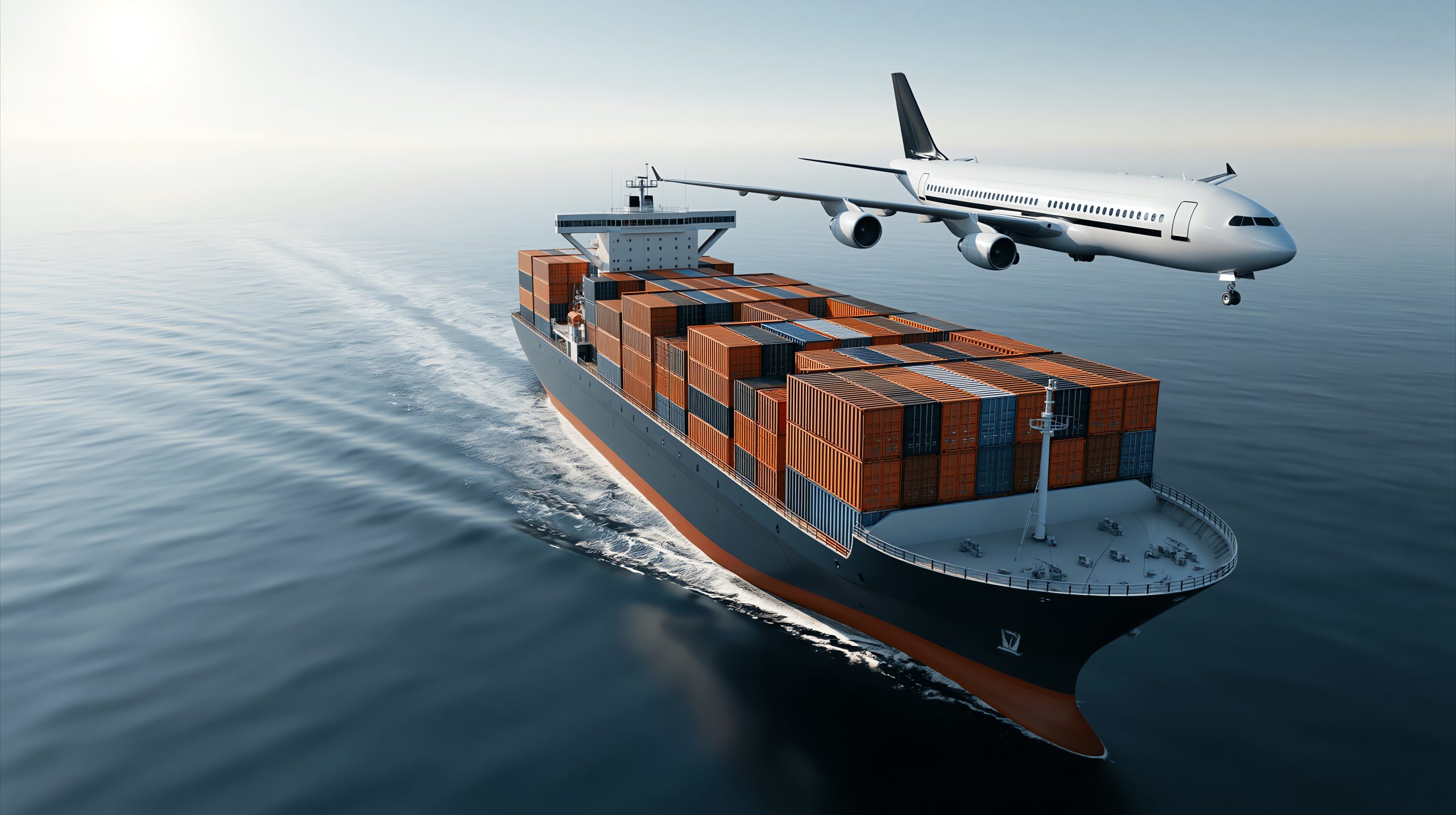
Air Cargo Vs Sea Cargo: Which Is Better For Your Shipment?
A shipment travelling across continents has more than one possible route. A business sending urgent electronic components may need a different transport option from a manufacturer moving several tonnes of furniture. The decision between air cargo and sea transport depends on delivery deadlines, shipment size, budget, and the nature of the goods. Understanding these differences helps businesses select a suitable method without compromising their supply chain requirements.
Delivery Time Shapes The Decision
The most noticeable difference between air and sea transportation is transit time. Air shipments generally reach their destinations much faster, making them suitable for urgent orders, time-sensitive products, and goods with short shelf lives. This speed can help businesses respond quickly to unexpected demand or prevent production delays caused by missing components.
Sea transportation follows a slower schedule. Ships may take several weeks to reach international destinations, depending on the route, port congestion, and customs procedures. However, when delivery deadlines allow sufficient flexibility, longer transit times may be a reasonable trade-off for lower transportation expenses.
Shipment Size Changes The Cost Equation
The cost of transporting goods is not determined by distance alone. Weight, volume, packaging, handling requirements, and destination charges also influence the final amount.
Air transportation generally becomes expensive when shipments are heavy or bulky because airlines calculate charges using actual or volumetric weight, whichever is higher. This makes it more practical for smaller, valuable consignments where quick delivery justifies the additional expense.
Sea transportation is often more economical for large quantities. Businesses moving industrial equipment, furniture, raw materials, or bulk products can benefit from container-based shipping. Effective ocean logistics planning also helps companies organise container space, port handling, and related expenses more efficiently.
Product Characteristics Matter
Not every product can follow the same transportation route. Perishable food, pharmaceuticals, urgent spare parts, and high-value electronics may require faster movement and carefully managed handling. Air transportation can be appropriate for these shipments, particularly when delays could affect product quality or business operations.
Larger industrial goods, construction materials, machinery, and non-perishable products are often suitable for sea transport. However, businesses must consider packaging strength, moisture protection, storage conditions, and handling requirements before selecting a route.
The right air freight logistics arrangement should account for the shipment’s specific handling needs rather than focusing only on speed.
Planning Beyond The Main Journey
Transportation does not end when an aircraft lands or a vessel reaches a port. Customs clearance, documentation, terminal handling, warehousing, and final delivery all influence the overall shipment timeline.
For sea shipments, port congestion and container availability can affect delivery schedules. Air shipments may involve airport handling charges, security checks, and customs inspections. Businesses should therefore compare the complete movement process instead of looking only at the time spent in transit.
A dependable logistics shipping company can help coordinate these activities, explain documentation requirements, and provide better visibility throughout the shipment journey.
Conclusion
There is no single transportation method that suits every shipment. The best decision comes from evaluating delivery deadlines, cargo characteristics, costs, and the wider supply chain. At AVR Logistics, we focus on understanding these requirements and coordinating suitable transportation arrangements. Our aim is to help businesses make informed shipping decisions and keep their cargo moving efficiently across domestic and international markets.
Frequently Asked Questions
Air cargo is transported by aircraft and offers faster delivery, while sea cargo moves by ships and is generally more economical for large shipments.
Air cargo is suitable for urgent deliveries, perishable goods, high-value products, and shipments where meeting tight deadlines is important.
Sea freight allows businesses to transport large volumes of goods in containers, making the cost per unit lower for many bulk shipments.
Yes. Businesses can use sea freight for regular inventory and air cargo for urgent orders, replacement stock, or time-sensitive products.
Businesses should compare delivery time, shipment weight and volume, transportation costs, product requirements, customs procedures, and final delivery arrangements.
Related posts

How to Choose the Right Freight Carrier for Your Business
Choosing a freight carrier is an important decision for businesses that move goo

Geopolitical Events and Trade Policy Changes
International business exists in a tangled web of international relationships am

What are the Advantages of Air Freight?
As speed and reliability become more necessary, businesses are increasingly turn