
What Is International Logistics? A Guide With Best Practices
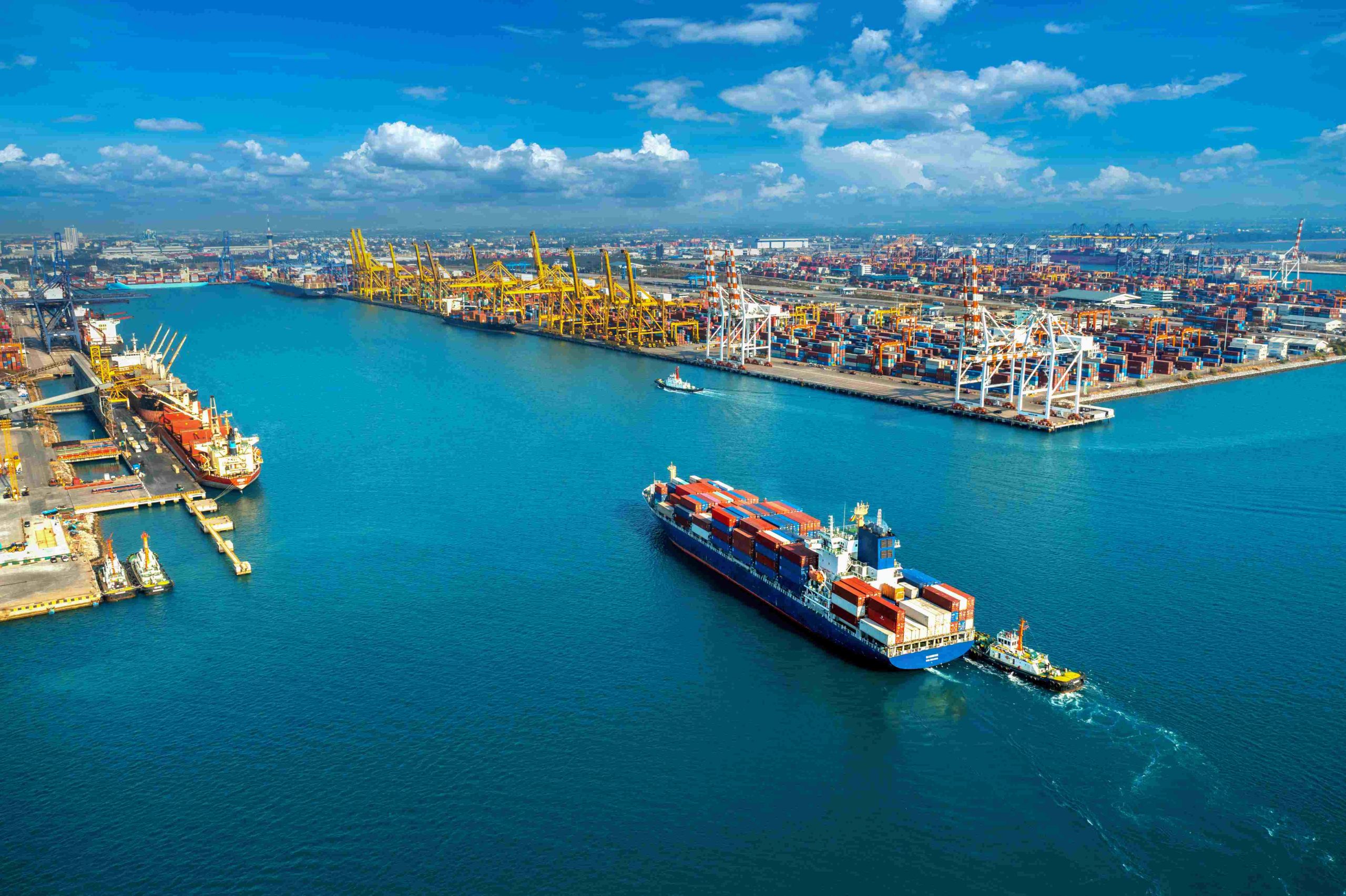
Moving goods across international borders involves several activities beyond transportation. Businesses must coordinate shipping arrangements, customs documentation, warehousing, and final delivery to ensure products reach their destinations safely. Working with experienced international cargo companies can help organizations manage these responsibilities while maintaining an efficient supply chain. Understanding international logistics is essential for businesses involved in global trade because it helps them make informed decisions, control transportation expenses, and avoid unnecessary shipment delays.
Understanding International Logistics and Its Key Components
International logistics involves planning and managing the movement of goods between countries through transportation, packaging, warehousing, inventory management, and customs procedures. Businesses use air, sea, road, and rail freight depending on cargo size, delivery schedules, and budgets. Proper coordination of these activities helps maintain shipment visibility, manage inventory, and ensure smooth deliveries across international supply chains.
How Freight Forwarding Services Support Global Trade
Freight forwarding connects suppliers, carriers, and customers while helping businesses coordinate international cargo movement. An international freight service supports transportation arrangements, shipping documentation, and cargo coordination according to business requirements.
- Air Freight: Suitable for urgent and time-sensitive shipments.
- Sea Freight: Supports large cargo volumes and international transportation.
- Rail Freight: Facilitates long-distance cargo movement.
- Road Freight: Connects inland locations and distribution centers.
- Multimodal Transportation: Combines different transportation methods.
Selecting suitable transportation methods helps businesses manage shipping expenses and delivery schedules. Proper coordination also supports smoother cargo movement across international supply chains.
Best Practices for Managing International Shipments
Managing international shipments requires proper planning, accurate documentation, and regular communication. Businesses should follow destination-country regulations, prepare necessary invoices and permits, use suitable packaging, and work with a reliable logistics shipping company. Regular shipment tracking, updated inventory records, and alternative delivery arrangements also help minimize delays, control transportation costs, and maintain smooth supply chain operations.
Choosing Suitable Transportation for International Cargo
Selecting the right transportation method depends on delivery urgency, shipment dimensions, cargo characteristics, and available budgets. Businesses moving valuable or time-sensitive products may consider international air cargo services because air transportation generally offers shorter transit times. However, larger consignments may be better suited to sea or rail transportation, depending on their destination and delivery requirements.
AVR Logistics: Your Trusted Partner for Seamless International Cargo Movement
At AVR Logistics, we understand the importance of coordinated transportation in international trade. We provide freight forwarding solutions covering air, sea, and rail transportation, alongside road freight, project cargo, ISO container transportation, CHA, and customs clearance services. Our ocean sea freight solutions also support businesses requiring maritime cargo transportation for their shipments.
We focus on understanding cargo requirements and coordinating appropriate logistics arrangements. Through our range of transportation and freight forwarding services, we aim to support businesses in managing international cargo movement and related shipping requirements.
Frequently Asked Questions
It involves managing the transportation, storage, and delivery of goods across international borders.
Air, sea, road, and rail freight are the commonly used transportation methods.
It ensures imported and exported goods comply with applicable customs regulations and documentation requirements.
Accurate documentation, advance planning, and regular shipment monitoring can help reduce delays.
They should evaluate transportation options, service coverage, cargo handling capabilities, communication, and overall shipping costs.
Related posts

Navigating the Waves: Your Essential Roadmap to Sea Freight Success
The transportation of about 90% of the world’s goods across our oceans mak

What is sea freight? – Everything You Need to Know
The backbone of international trade operates through merchandise transportation

How Can Businesses Reduce Carbon Emissions in International Shipping?
As global sustainability goals become increasingly important, businesses are loo